
Houd me op de hoogte
Eén bruikbare e-mail per week over soevereine AI, governance en enterprise AI die werkt. Meld je aan en ontvang de gratis Sovereign AI Playbook.


Een AI-governance workshop voor bestuur en management. Resultaat: kaders voor data, een benoemde eigenaar en pilots die bedrijfsbestanden niet in publieke tools zetten.
Twee uur of een hele dag, op locatie of online. Voor wie AI-risico tekent, geen tooltraining.
Meer info
Het AI Strategy Report biedt een duidelijke, concrete roadmap om AI-doelen te realiseren. Door doelstellingen te analyseren en de organisatie te inventariseren, worden AI-kansen met een hoge impact nauwkeurig geïdentificeerd.
Onze experts leveren een geprioriteerde lijst met use cases inclusief gedetailleerde businesscase-analyses. Het eindrapport bevat een langetermijnstrategie voor AI, direct uit te voeren pilotplannen en een praktische demonstratie van een belangrijke use case, zodat de stap van visie naar innovatie vol vertrouwen gezet kan worden.
Meer info
Bereid het bestuur en de organisatie voor op de strikte verplichtingen van de EU AI Act. Onze readiness-sprint met een vaste scope brengt in kaart waar AI geruisloos de organisatie is binnengekomen en verheldert de wettelijke plichten als AI-gebruiker ('deployer').
Voorkom blinde vlekken in de regelgeving en aansprakelijkheid van directieleden met een praktische, bestuurswaardige compliance-roadmap die directe beveiligingsprioriteiten identificeert zonder de dagelijkse bedrijfsvoering te verstoren.
Meer info
Theon is onze hoogwaardige enterprise AI-infrastructuur die volledig binnen de eigen firewall wordt geïmplementeerd — on-premise of in een volledig private, soevereine cloud. Ontworpen voor intensieve bedrijfs-workloads, biedt het de organisatie absoluut data-eigendom en totale isolatie van buitenlandse jurisdicties.
Dankzij een diepe integratie met SharePoint, lokale netwerkmappen en interne databases neemt Theon automatisch de bestaande rechtenstructuren (RBAC) over. Teams kunnen hierdoor direct complexe bedrijfsdata cross-refereren en bedrijfskritische inzichten naar boven halen, zonder enig risico op datalekken.
Meer info
Ervaar de snelheid en eenvoud van geavanceerde AI-chat zonder de opstarttijd van een langdurig implementatietraject. Theon Express is een webgebaseerd platform, speciaal ontworpen voor teams die direct een privacy-first alternatief zoeken voor openbare consumenten-AI, zónder ingewikkelde IT-setup.
Volledig gehost op Europese infrastructuur, met een strikte architectuur zonder modeltraining en ondersteund door een positieve DPIA. Hiermee kan de organisatie veilig onbeperkt prompts uitvoeren en documenten analyseren voor slechts €15 per gebruiker per maand. Het is de perfecte, laagdrempelige sandbox om AI-behoeften te evalueren voordat wordt opgeschaald naar een volledige on-premise installatie.
Meer info
Sovera is een concept voor soevereine, federatieve kenniszoektocht tussen publieke organisaties. Data blijft bij de bron, onder lokale controle, met autorisatie vóór openbaarmaking.
We zoeken pilot- en R&D-partners om het eerste begrensde use case mee te ontwerpen en federatieve retrieval, RBAC/ReBAC en owner-controlled access workflows te valideren.
Meer infoWij begrijpen dat de gegevens van je bedrijf het meest waardevolle bezit zijn. Bij Prometheon™ leveren we AI-oplossingen die 'secure by design' zijn, waardoor privacy, compliance en controle op elk niveau worden gewaarborgd.
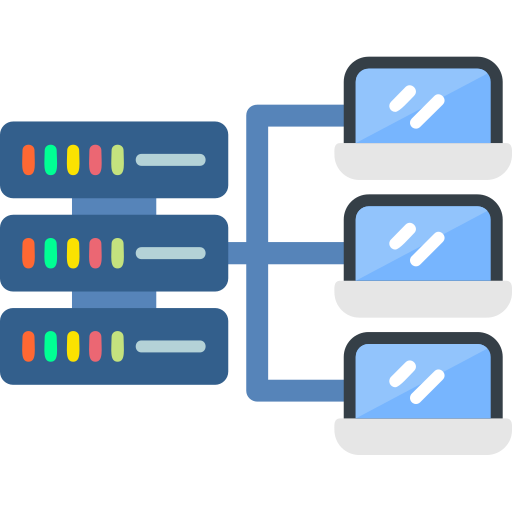
Implementeer op je eigen infrastructuur of in onze soevereine cloud—volledig binnen je firewall. Je gevoelige gegevens blijven onder jouw controle, zonder blootstelling aan publieke cloudproviders. Indien gewenst leveren wij ook de benodigde hardware.
Je behoudt te allen tijde de volledige controle over je gegevens, waardoor je kunt voldoen aan strenge regelgevingskaders zoals de AVG, SOC 2 en de EU AI Act. Je gegevens blijven altijd onder je beheer - geen onzekerheid, geen grijze gebieden.

Wij nemen de RBAC op veilige wijze over van de bronsystemen en implementeren deze onafhankelijk van de AI, waardoor er geen enkel risico is op het lekken van gevoelige data. Gebruikers zien alleen wat relevant en toegankelijk voor hen is.
We integreren naadloos in je bestaande infrastructuur met behulp van veilige protocollen. Of het nu gaat om verbinding met interne databases of enterprise tools, je gegevens blijven beschermd tijdens elke interactie.
In het beste geval is data een krachtig instrument voor innovatie maar het kan net zo goed een bron van chaos zijn. Onze veilige AI-kennisexperts beschikken over de kennis van je vakgebied en zijn ontworpen om je te helpen de ruis te ontwarren. We willen bedrijven helpen de kennis te ontsluiten die er echt toe doet, en de gerichte innovatie te stimuleren die nodig is om te gedijen en een betere toekomst vorm te geven.


Mario is een biotechnoloog die AI-ontwikkelaar is geworden, met een bewezen staat van dienst in het bouwen van impactvolle, datagestuurde tools.
Voordat hij Prometheon™ medeoprichtte, ontwierp en implementeerde hij een datastrategie bij een productiebedrijf, waarbij hij interne apps creëerde om operationeel inzicht en besluitvorming te verbeteren. Hij brengt een unieke mix van strategische visie, praktische ontwikkeling en een diepe toewijding aan het bouwen van ethische, veilige AI-producten.

Milan is een AI-ontwikkelaar en software-engineer met een sterke basis in C, C++, TypeScript en Python.
Voordat hij Prometheon™ medeoprichtte, ontwikkelde hij Auris Ear Training, een gegamificeerd platform voor muziekonderwijs dat wordt gebruikt door conservatoria in Europa. Zijn achtergrond als componist, met muziek die meer dan 10 miljoen streams op Spotify heeft behaald en te horen was in campagnes van Philips, KLM en BMW, geeft Milan een uniek perspectief op het ontwikkelen van intuïtieve, impactvolle software.
Prometheon is partner van de AI Hub van TMC, een hightech consultancy met 1.500 medewerkers in 17 landen. Samen inspireren we TMC's mensen en klanten om AI toe te passen met echte impact, via kennisdeling, projecten en maatwerkoplossingen.
Samenwerken met Prometheon geeft structuur en snelheid. Mario en Milan vertalen onze praktijkkennis moeiteloos naar werkbare AI-workflows. Betrouwbaar, duidelijk en altijd gericht op kwaliteit.
Voor Innofunding verzorgen we AI-workshops, implementeren we Theon, en leveren we maatwerkoplossingen die hun innovatietrajecten versterken en kennisdeling versnellen.
Met Prometheon werken geeft energie. Hun gedreven en doelgerichte team zet onze tweewekelijkse strategiesessies om in snelle, waardevolle resultaten. De bewezen ROI van Theon maakt de adoptie van GenAI een logische keuze. In Prometheon investeren is de gok die elke tech-adviseur wil wagen.
Tijdens onze samenwerking heeft Mario zich bewezen als een zeer intelligente en creatieve professional met een zowel strategische als pragmatische aanpak. Hij communiceert helder en effectief, en dankzij zijn sterke ethische kompas is hij in elke situatie betrouwbaar. Daarnaast beschikt hij over uitstekende organisatorische vaardigheden: efficiënt, gestructureerd en altijd met oog voor detail.
Suggesties voor vragen
Plan een kennismakingsgesprek en zie hoe Theon jullie organisatie kan helpen.
info@prometheon.ai
Eén bruikbare e-mail per week over soevereine AI, governance en enterprise AI die werkt. Meld je aan en ontvang de gratis Sovereign AI Playbook.